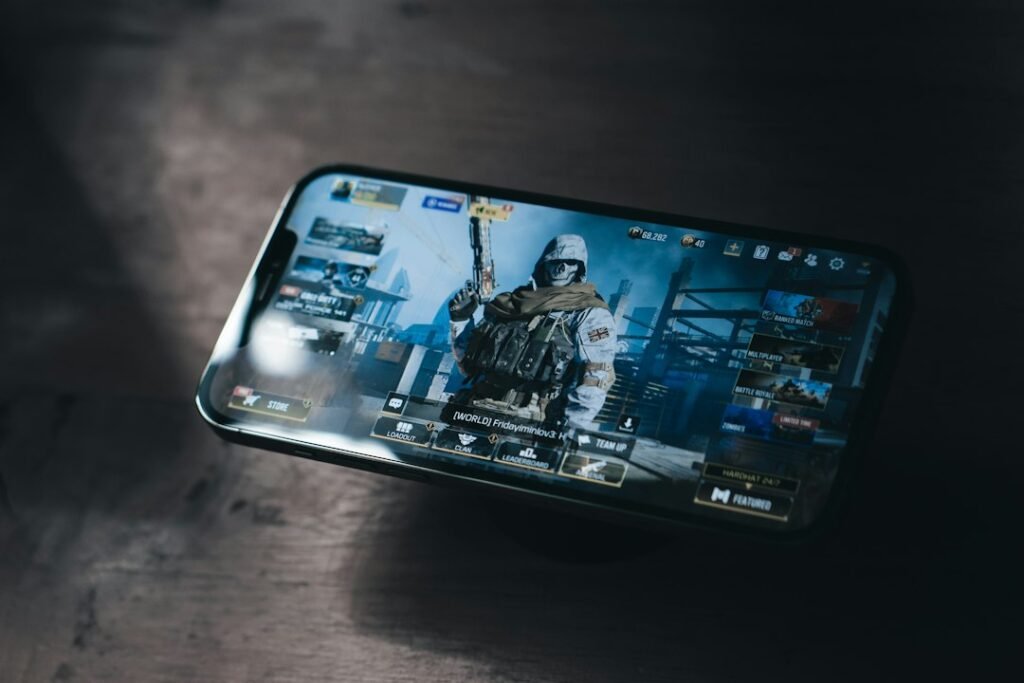
Most top mobile games are free to download. They still earn money, through a mix of ads, in-app purchases and subscriptions. Choosing the right model, and designing it into the game from day one, decides whether a game is sustainable.
Ad-based monetisation
- Rewarded video: players choose to watch an ad in exchange for a reward such as an extra life or coins. It is the most player-friendly ad format.
- Interstitials: full-screen ads between levels. Effective but must be paced carefully to avoid frustration.
- Banners: low revenue and visually intrusive, used sparingly.
Ads suit casual and hyper-casual games with large audiences and short sessions.
In-app purchases
- Consumables such as coins, boosters and extra moves.
- Permanent unlocks such as levels, characters and ad removal.
- Starter packs and limited-time offers.
In-app purchases suit games with deeper progression and engaged players.
Subscriptions and passes
Season passes and VIP subscriptions offer ongoing value, such as daily rewards or exclusive content, for a monthly fee.
Hybrid monetisation
Most successful casual games now combine rewarded ads for non-payers with purchases for engaged players, plus a paid option to remove ads.
Monetise without killing retention
- Never block progress behind ads in the first sessions.
- Make rewarded ads genuinely worth watching.
- Test ad frequency and prices with real data.
- Watch retention after every monetisation change.
We design monetisation into every game we build. Learn more about our game development services.
Frequently asked questions
Which ad network is best for mobile games?
Google AdMob and Unity Ads are common starting points. Mediation platforms let several networks compete to raise revenue.
Can a small game make money?
Yes, if retention is good and user acquisition costs are below lifetime revenue per player. That balance is what soft launch measures.
Should I charge for my game instead?
Paid games work for niche, premium experiences, but most mobile players expect free downloads.