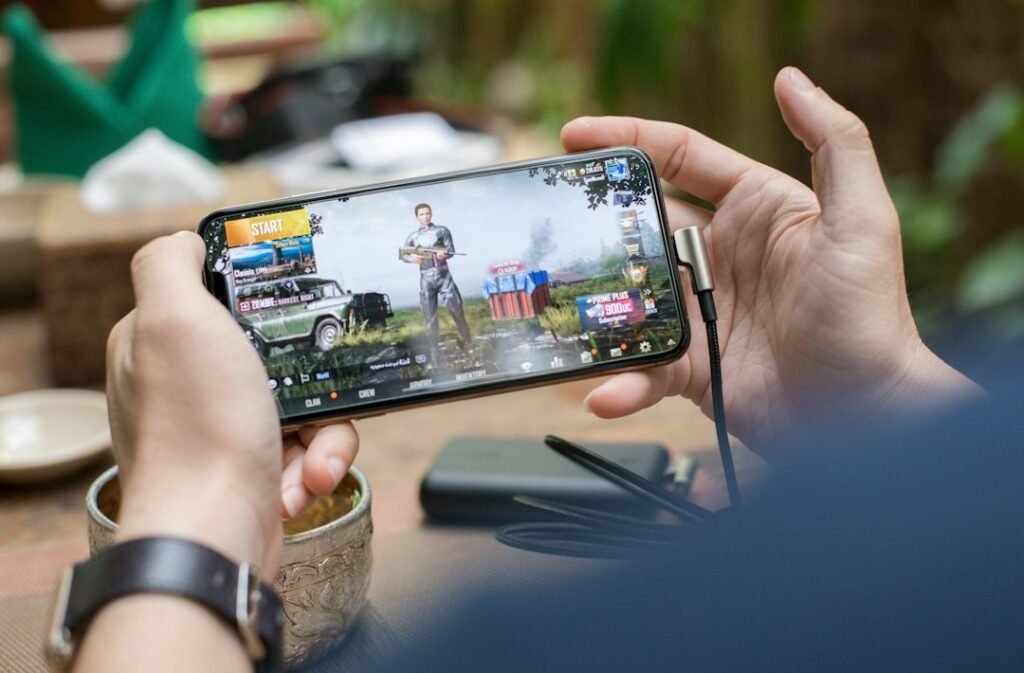
Our TASC Velocity studio has published ten mobile games across puzzle, racing, simulation, action and horror. Every one followed roughly the same pipeline. Here it is, step by step.
1. Concept and market check
Start with the player, not the feature list. Who is this for, what do they play today and why would they switch? Study the top games in your genre, read their reviews and note what players love and hate.
2. Write a one-page design pitch
Describe the core loop in one sentence, the target session length, how players progress and how the game makes money. If you cannot explain it on one page, it is not ready.
3. Build a playable prototype
Use grey boxes and placeholder art. The only question is: is the core loop fun? Test with real players and be willing to throw it away.
4. Production
Once the loop works, build levels, art, animation, UI, sound and monetisation in parallel sprints. Keep performance in mind: many players use mid-range phones.
5. Soft launch
Release in a few markets first. Measure day-one and day-seven retention, session length and revenue per user. Fix what the data shows before spending on marketing.
6. Global launch
Polish the store listing, trailer and screenshots, run user acquisition campaigns and watch reviews closely.
7. Live operations
New levels, events and balancing keep players coming back. The most successful mobile games are services, not one-off releases.
Tools we use
Unity for most mobile games, Blender for 3D assets, Firebase for analytics, and AdMob or Unity Ads plus in-app purchases for monetisation.
Want to build a game? Explore our game development services or play our games.
Frequently asked questions
How long does it take to make a mobile game?
A small casual game can be built in two to four months. Bigger 3D or multiplayer games take much longer.
Do I need to know how to code to make a game?
To build it yourself, yes. To commission one, no. A studio can turn your concept into a finished game.
Which game genres are easiest to start with?
Puzzle and hyper-casual games have simpler mechanics and shorter development times, which makes them a good first project.