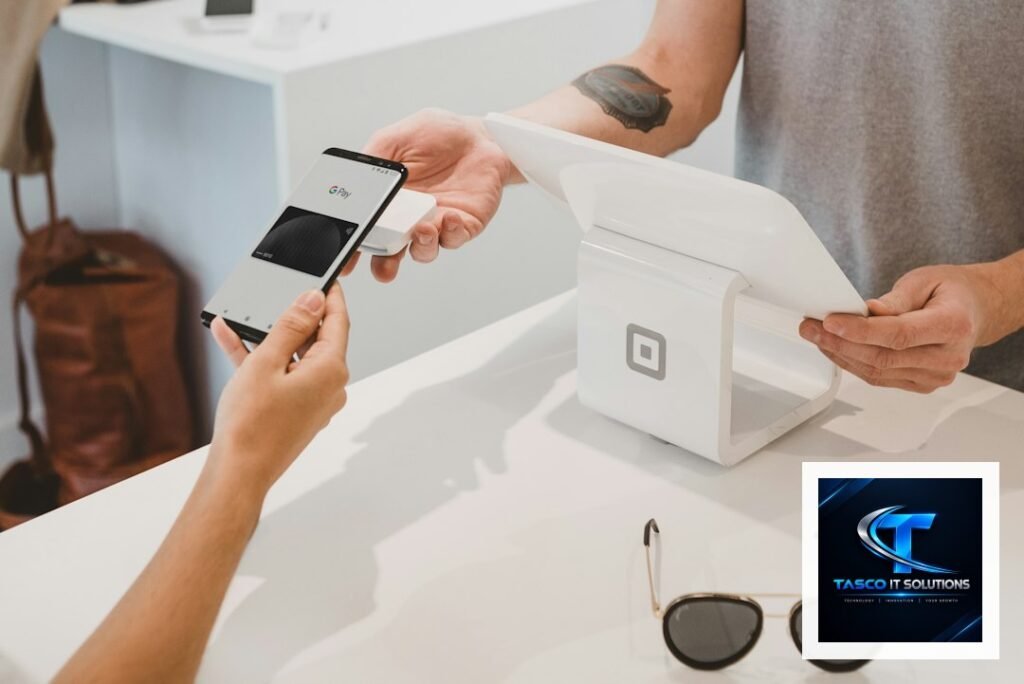
What happens to your online sales when the customer is no longer a person clicking through your checkout, but an AI agent doing it for them? That question stopped being theoretical this week. On 13 November 2026, OpenAI launched ChatGPT Wallet, a way for its AI agents to pay for things on a user’s behalf. For any company that sells online, understanding ChatGPT Wallet for business is now part of planning next year’s sales strategy.
This guide explains what launched, how it works, why it matters for businesses in the USA and the UAE, and the practical steps to get your website ready for agentic commerce.
What is ChatGPT Wallet?
ChatGPT Wallet lets a user store a payment card once inside ChatGPT so that OpenAI’s agent can complete checkouts for them. It is rolling out in a limited way inside dots, OpenAI’s agent product, which was first shown in late September.
The key design point is that the agent never sees the real card number, and neither does the merchant. Here is how the flow works, based on launch coverage:
- The user saves an eligible card once.
- Before each purchase, the user sees the basket, the total and the card that will be charged.
- The user approves with a biometric or device check, such as Face ID or a fingerprint.
- The card network issues a single-use payment token with a substitute card number, expiry and security code for that one transaction.
Reports say card rewards, the issuer’s fraud checks and chargeback rights still apply, so from the merchant’s side the payment behaves much like a normal card-not-present sale.
Who can use it right now?
At launch, ChatGPT Wallet is limited to ChatGPT Pro subscribers in the United States who are 18 or older and hold an eligible US-issued American Express, Mastercard or Visa card. No dates have been announced for other countries, including the UAE. Spending limits by category or time period are described as coming later.
What does it cost merchants?
According to launch coverage, OpenAI is not taking a cut of transactions at launch while it builds merchant relationships. Merchants keep control of pricing, fulfilment, returns and the customer relationship. That could change later, so treat today’s terms as an opening position rather than a permanent deal.
Agentic commerce: why this matters for businesses
ChatGPT is one of the largest consumer platforms in the world; OpenAI says it has about 1.2 billion active users. Even a small share of those users letting an agent shop for them would create a new sales channel almost overnight. That is what people mean by agentic commerce: AI shopping agents that research, compare and buy on behalf of a human.
It is not only OpenAI. In the same week, Google connected Google Wallet to Gemini’s Personal Intelligence features in the US, and Sierra released version 1.0 of its Personal Agent Protocol, which Shopify stores publish automatically. The direction is clear: agents are becoming customers.
For US businesses
US merchants are first in line because the launch audience is American. Retailers, D2C brands, ticketing and service businesses with online booking should expect some agent-driven orders to start appearing. If your site blocks bots aggressively or hides prices behind pop-ups, an agent may simply buy from a competitor whose site is easier to read.
For UAE and Dubai businesses
ChatGPT Wallet is not live in the UAE yet, but UAE businesses that sell to US customers, or plan to, are affected today. For everyone else, this is a preview of what will likely arrive in the Gulf. Dubai already has high card and mobile-wallet usage, which makes it a natural market for agent payments once providers expand. Preparing early costs little and puts you ahead when it lands.
Should you block or welcome AI shopping agents?
Not every company is opening the door. Reports cited in launch coverage say Amazon blocks outside shopping agents, and Delta and United have banned agent purchases. That means some agent checkouts will fail, and some merchants will choose to stay out.
For most small and mid-sized businesses, though, the smarter move is to be selective rather than closed. Large marketplaces can afford to keep agents out because customers come to them anyway. Smaller brands usually benefit from being easy to find and easy to buy from, whatever the channel.
How to make your website agent-ready
OpenAI has published a Commerce Partner Playbook for merchants that covers product feeds, signed agent requests using Web Bot Auth, optional site tools through WebMCP and integration of risk signals. Payment and fraud partners named alongside the launch include Stripe, Adyen, Checkout.com, Forter, Riskified, Sardine and Signifyd. You do not need to adopt everything at once. Start here:
- Clean up your product data. Clear titles, prices in a single currency, stock status, sizes and delivery times should be in your page markup and product feed, not only inside images.
- Simplify checkout. Fewer forced pop-ups, fewer surprise fees at the last step and a guest checkout option help agents and humans alike.
- Review your bot rules. Check whether your firewall or CDN blocks legitimate, signed AI agents along with scrapers. Decide on a policy instead of blocking everything by default.
- Talk to your payment provider. If you use Stripe, Adyen or Checkout.com, ask what support they offer for agent-initiated, tokenised payments and fraud scoring.
- Watch your analytics. Tag and track orders that arrive through agents so you can measure conversion, refunds and disputes separately.
- Keep showing up in AI answers. Agents buy from businesses they can find. Strong structured data and clear service pages matter as much for AI search as for Google.
If you have not yet claimed your company’s presence inside ChatGPT, read our guide on how businesses can claim their profile in ChatGPT. It is the natural first step before agent checkout.
How TASCO IT can help
Our web development team builds fast, clean storefronts with structured product data and simple checkouts. Our AI and automation specialists can map out how agents will interact with your site and connect the right payment and fraud tools, and our SEO team makes sure both search engines and AI assistants can understand what you sell.
Frequently asked questions
Is ChatGPT Wallet available in the UAE?
Not yet. At launch it is limited to US ChatGPT Pro subscribers aged 18 or older with eligible US-issued American Express, Mastercard or Visa cards. OpenAI has not announced dates for other countries.
Does ChatGPT Wallet share my customers’ card details with OpenAI?
According to launch coverage, no. The card network issues a single-use token for each purchase, so neither the agent nor the merchant receives the real card number, and the user approves each payment with a biometric or device check.
Do merchants pay a fee to accept ChatGPT Wallet payments?
Reports say OpenAI is not taking a cut of transactions at launch. Your normal card processing fees still apply through your payment provider, and OpenAI’s terms could change as the programme grows.
Get your store ready for AI shoppers
Agentic commerce is moving from demo to real orders. If you want a quick audit of how agent-ready your website is, message us on WhatsApp at +971 58 661 3940 or email info@tascoit.com. We work with businesses across the USA, the UAE and Pakistan.